Their Service. Their Sacrifice. Our Commitment.
Our Vision For The Future
Guided by an unwavering commitment to our nation’s Special Operations Forces, our vision is to cultivate a future where all Special Operations Personnel and their families thrive with steadfast support. We envision a world where our relentless dedication ensures that unmet needs are met, enabling these elite warriors to judiciously employ their unique capabilities in achieving national security objectives.
Mental Health
Special Operators often face barriers to treatment for mental health issues. Special Operations Forces Support offers discrete mental health services for Special Operators and their families.
The Special Operations Forces Support Congressional Fellowship Program is an exceptional resource for not only those who are involved in the military but also for our nation’s government.
Fellowship Program
Family Services
Special Operations Forces Support offers family support services to service members facing unexpected challenges in family life. Our confidential providers emphasize building personal and family resiliency.
Current News
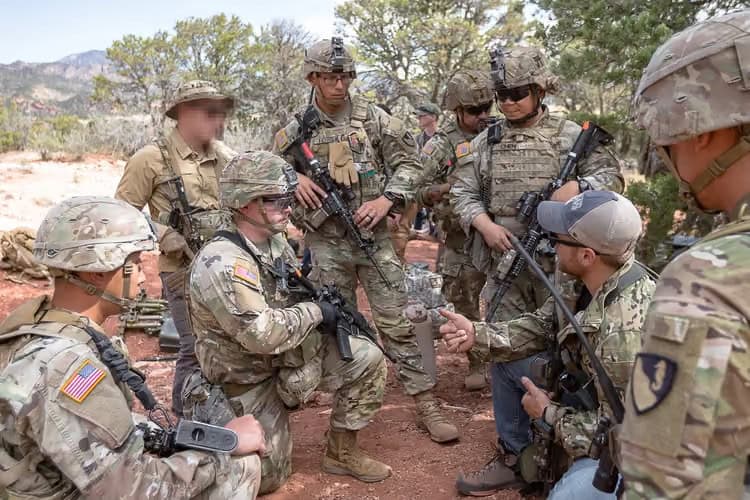
Owen West’s brief remark during the 2026 AUSA Project Agincourt autonomous warfare panel deserves attention beyond the room. West, a former Assistant Secretary of Defense for Special Operations and Low Intensity Conflict, directed the question to Derrick Anderson, the office’s current occupant. The words “More to follow on that” were West’s. Anderson did not announce a new title. Nevertheless, the exchange raises a question with consequences beyond Pentagon nomenclature: If we remove low intensity conflict, who will protect the missions and capabilities it was intended to preserve?
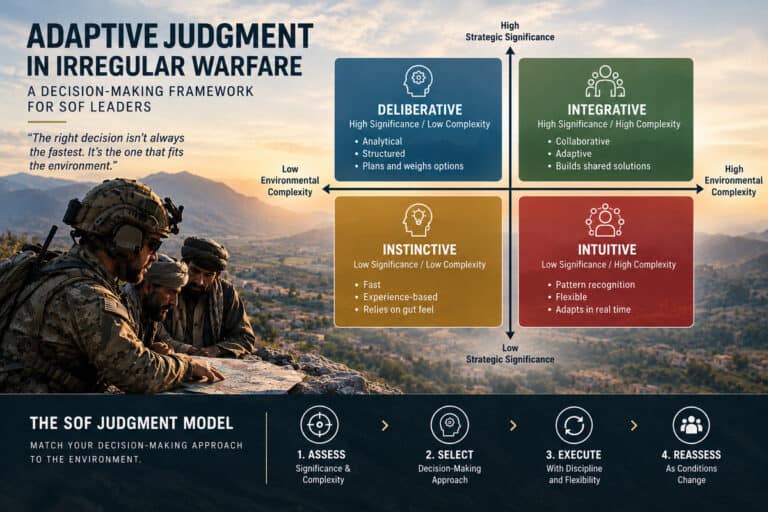
The modern Special Operations Forces (SOF) leader operating in an Irregular Warfare (IW) environment cannot rely on command authority alone. As demonstrated in the Guerrilla Leader Theory, succeeding within the human domain requires leaders to recognize that in ambiguous spaces, influence replaces directives. This shift demands a radical reevaluation of how SOF leaders exercise judgment when strategic significance and environmental complexity collide.
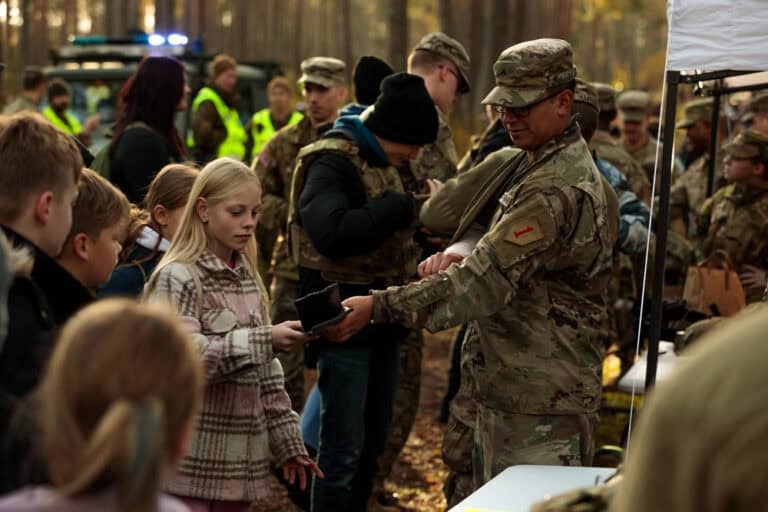
Cognitive warfare refers to military and geopolitical contestation over cognitive processes as a means of affecting individual, group, and societal behavior. This essay argues that cognitive warfare shares important synergies with the paradigm of human security, due to the shared emphasis on the psychological processes that drive behaviors and dynamics in the civilian environment. The essay recommends that human security considerations be incorporated into cognitive warfare defense, while providing a call-to-action for further consideration of the implications of this synergy at policy and operational levels.
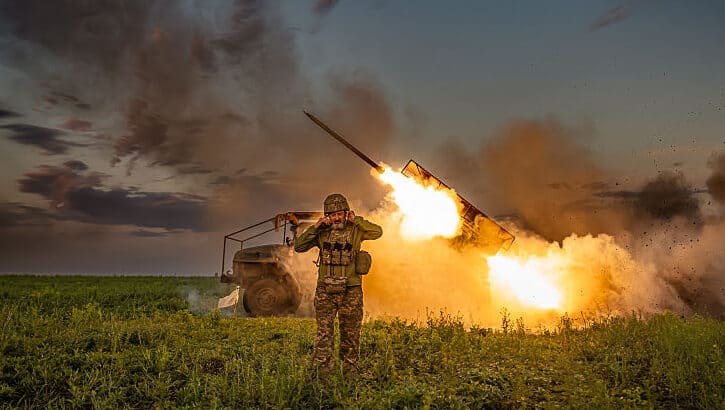
“Will to Fight is one of the most challenging elements of military capability analysis because of its fundamentally intangible nature,” states the framework, shared exclusively with Breaking Defense ahead of its publication. Unlike the specific number of tanks or the condition of fighter jets that form the basis for so much analysis of military readiness, the framework says “most elements relative to will to fight are not quantitative; nor are they easily observed.”
No results found.
Stay Up To Date
Subscribe to Our Newsletter and Stay Up to Date with the Latest Special Operations Forces Support News and Events